
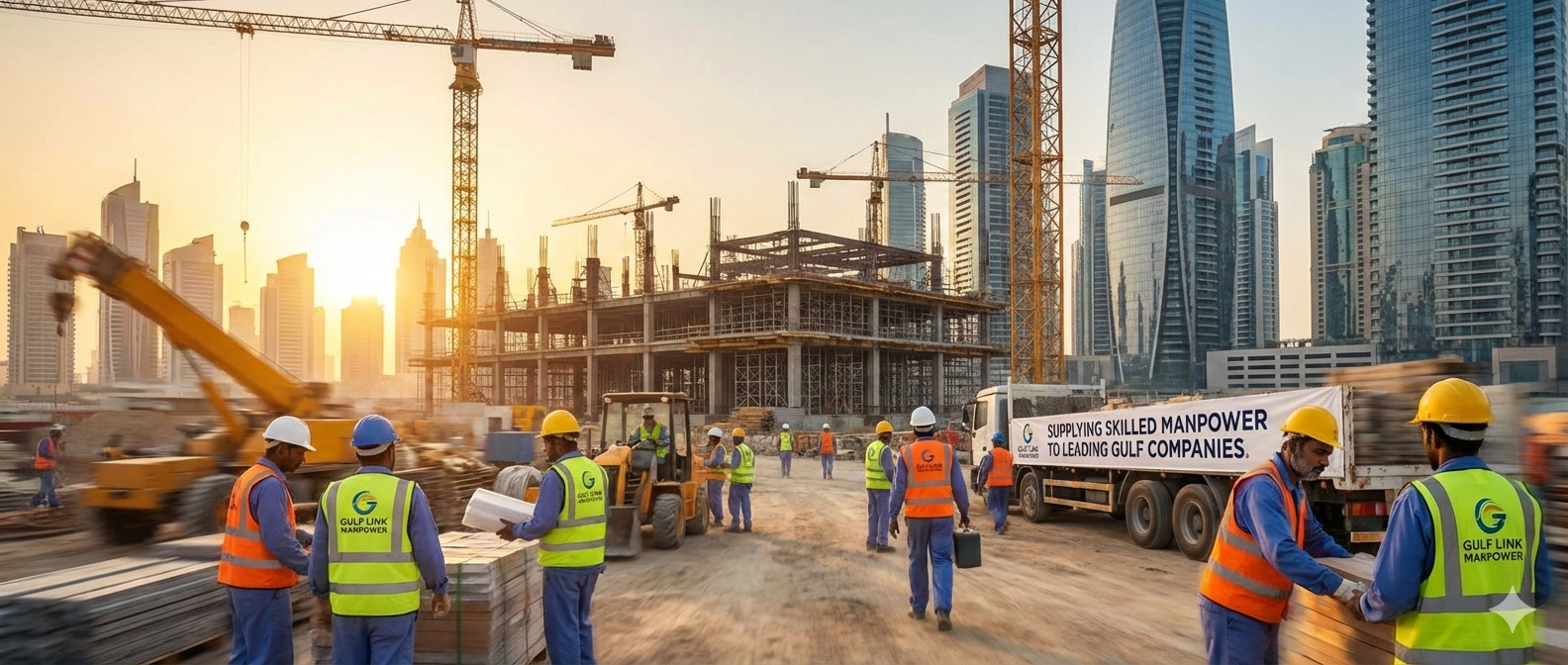
The Backbone of Gulf Development

Walk through any skyline in the Gulf region, and you’ll see ambition written in steel, glass, and concrete. From towering skyscrapers to vast industrial zones, the Gulf’s transformation didn’t happen by chance. It happened because of people—skilled construction workers who turned blueprints into reality. Supplying skilled construction manpower to leading Gulf companies is not just a workforce requirement; it’s the backbone of regional development.
Gulf countries such as Saudi Arabia, the United Arab Emirates, Qatar, Oman, Kuwait, and Bahrain have consistently invested in infrastructure as a pathway to economic diversification. Construction remains one of the most active sectors, demanding a steady supply of trained, reliable, and experienced manpower. Without skilled hands on-site, even the most visionary projects stall.
This article dives deep into how skilled construction manpower fuels the Gulf’s growth, why demand remains strong, and what skills truly matter on modern construction sites. Whether it’s building smart cities, transport networks, or industrial facilities, the right workforce makes all the difference.
The Gulf Construction Boom: A Region Built on Vision
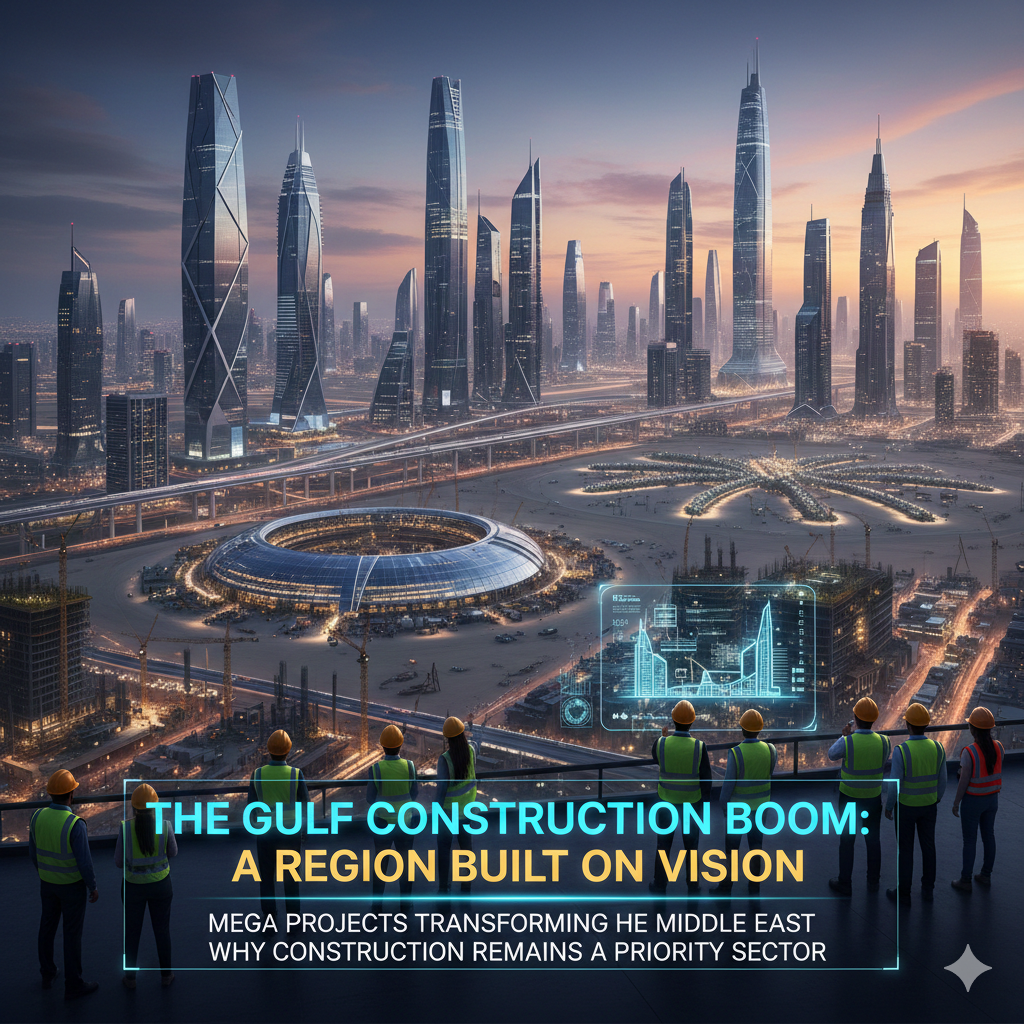
Mega Projects Transforming the Middle East
The Gulf region is synonymous with mega projects. Saudi Arabia’s ambitious urban developments, the UAE’s iconic skylines, Qatar’s world-class infrastructure, and Oman’s sustainable expansion plans all tell the same story: construction is a strategic priority. These projects aren’t small or simple. They involve complex engineering, tight timelines, and global quality standards.
What makes these projects unique is their scale and speed. Entire cities are planned, designed, and built within years, not decades. That level of execution requires a massive, skilled construction workforce capable of working efficiently under pressure. Skilled carpenters, steel fixers, electricians, welders, and machine operators are the real drivers behind these transformations.
Why Construction Remains a Priority Sector
Construction in the Gulf isn’t just about buildings; it’s about national identity and economic resilience. Governments invest heavily in infrastructure to reduce dependence on oil, attract tourism, and support private-sector growth. Airports, seaports, highways, stadiums, hospitals, and housing developments all fall under this umbrella.
Because of this, leading Gulf companies continuously seek skilled construction manpower that can adapt to evolving technologies, comply with strict safety standards, and deliver consistent quality. The construction boom isn’t slowing down—it’s evolving, and skilled labor remains at its core.
Understanding Skilled Construction Manpower
What Defines a Skilled Construction Worker?
A skilled construction worker is more than someone who knows how to use tools. Skill in construction means hands-on experience, technical knowledge, problem-solving ability, and awareness of safety practices. It’s the difference between simply doing a task and doing it right the first time.
In the Gulf, skilled workers are expected to read drawings, understand specifications, follow method statements, and work in coordination with multinational teams. Whether it’s a mason laying precision blockwork or an electrician handling complex wiring systems, skill directly impacts productivity and quality.
Key Trades in High Demand Across the Gulf
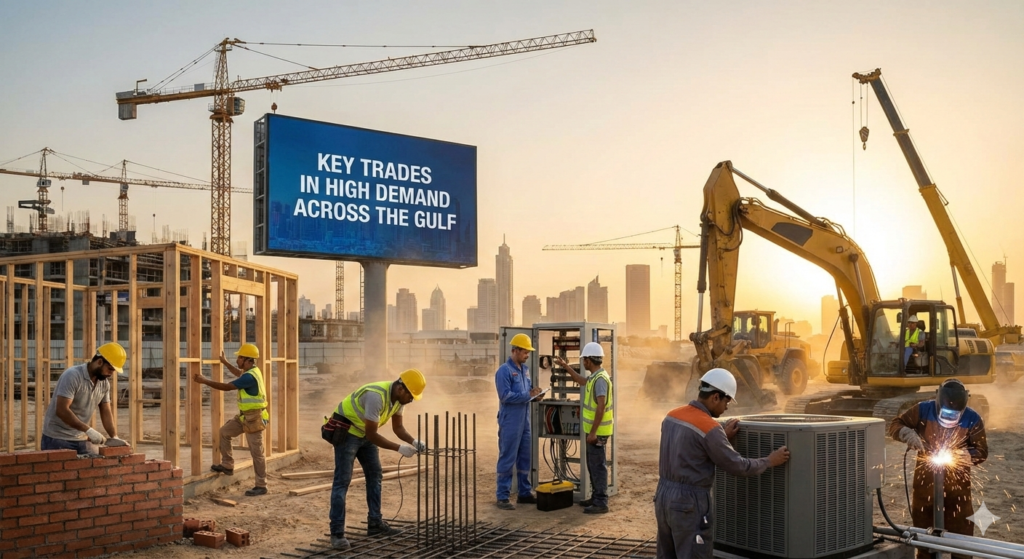
The demand spans a wide range of trades, including:
- Civil workers such as masons, carpenters, steel fixers, and shuttering specialists
- Mechanical, electrical, and plumbing professionals
- HVAC technicians and pipe fitters
- Welders with structural and industrial expertise
- Heavy equipment operators for cranes, excavators, and loaders
Each trade plays a vital role in keeping construction schedules on track. Missing even one skill set can slow down an entire project.
Why Gulf Countries Rely on International Construction Talent
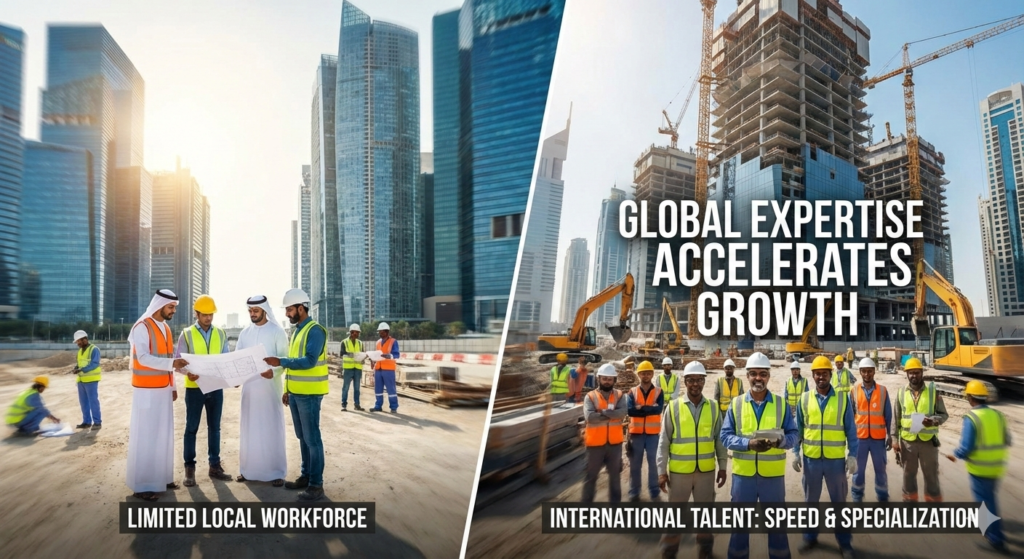
Limited Local Workforce Availability
One of the key reasons Gulf countries depend on international skilled manpower is demographics. Local populations are relatively small, and not all citizens pursue construction-related careers. As a result, large-scale projects require additional labor from outside to meet workforce demands.
This reliance isn’t a weakness—it’s a strategic choice. By sourcing skilled workers globally, Gulf companies ensure access to experienced professionals who have worked on similar projects worldwide.
Speed, Scale, and Specialization Needs
Time is money in construction, especially in the Gulf. Delays can cost millions. Skilled manpower brings efficiency, allowing projects to move quickly without compromising quality. Specialized skills, such as high-rise formwork systems or advanced MEP installations, often require workers with niche experience.
International construction manpower fills these gaps, enabling Gulf companies to execute ambitious projects on aggressive timelines.
Country-Wise Demand for Skilled Construction Manpower

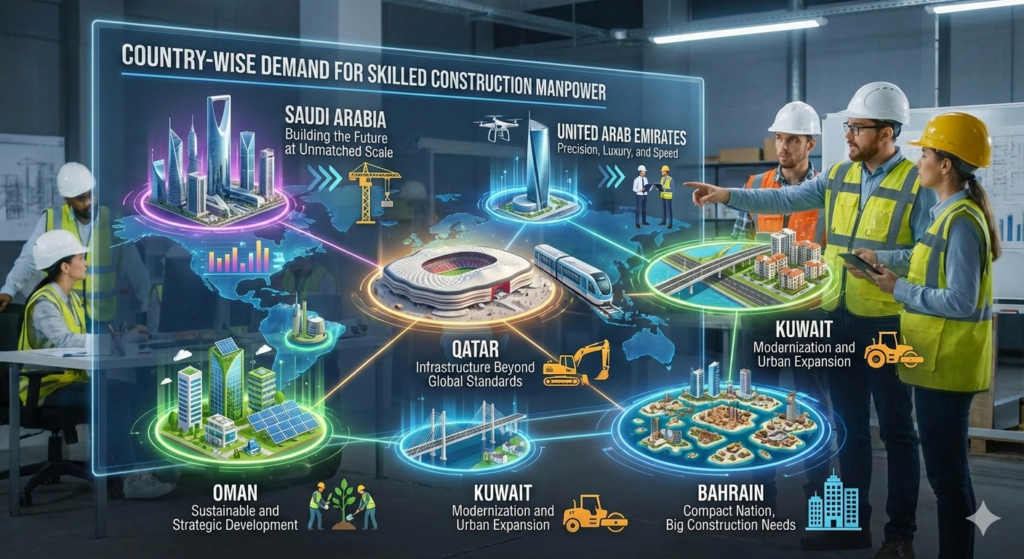
Saudi Arabia: Building the Future at Unmatched Scale
Saudi Arabia is witnessing one of the largest construction expansions in the world. New cities, tourism destinations, industrial hubs, and transport networks are rising simultaneously. This scale creates enormous demand for skilled construction manpower across all trades.
Projects require thousands of workers who can handle modern construction methods, large equipment, and strict safety protocols. Skilled manpower is essential to meet the kingdom’s long-term development goals.
United Arab Emirates: Precision, Luxury, and Speed
The UAE’s construction sector is known for precision and aesthetics. From luxury hotels to commercial towers, quality is non-negotiable. Skilled construction workers here must combine speed with attention to detail.
Electricians, plumbers, finish carpenters, and façade specialists are especially valued. With continuous urban development, demand for experienced manpower remains steady.
Qatar: Infrastructure Beyond Global Standards
Qatar’s focus on infrastructure excellence has set high benchmarks. Roads, stadiums, metro systems, and public facilities require skilled manpower trained to international standards. Construction workers here are expected to follow detailed processes and deliver flawless execution.
Oman: Sustainable and Strategic Development
Oman emphasizes sustainability and long-term planning. Skilled construction manpower is needed for projects that blend modern infrastructure with environmental responsibility. Workers with experience in eco-friendly materials and methods are increasingly important.
Kuwait: Modernization and Urban Expansion
Kuwait continues to invest in urban development and public infrastructure. Skilled manpower supports residential, commercial, and industrial projects, ensuring timely completion and durability.
Bahrain: Compact Nation, Big Construction Needs
Despite its smaller size, Bahrain has active construction requirements. Skilled workers help deliver high-quality projects within limited spaces, making efficiency and expertise critical.
Most In-Demand Construction Skills in the Gulf
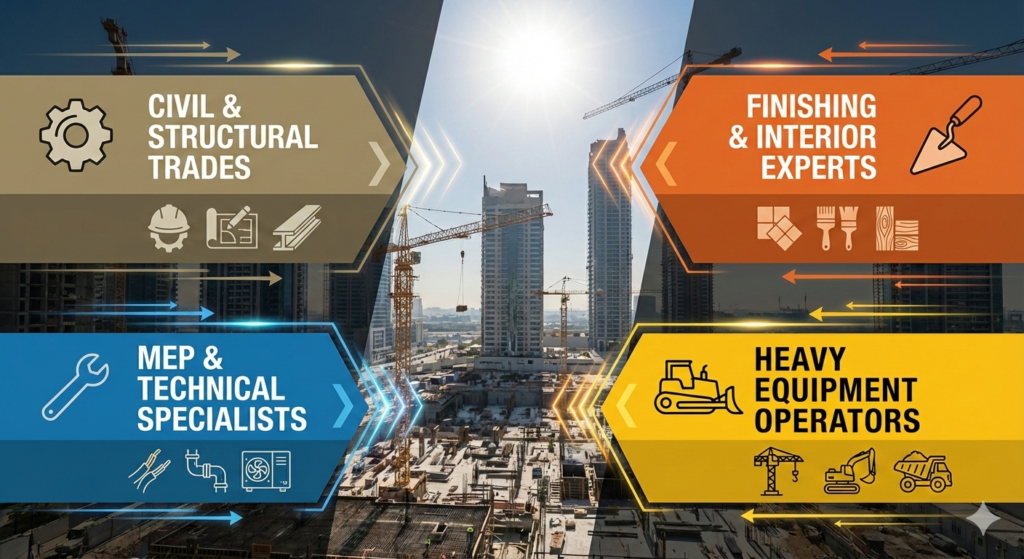
Civil and Structural Trades
Masons, carpenters, steel fixers, and scaffolders form the backbone of construction sites. Their work defines the structural integrity of buildings. In the Gulf, precision and speed are equally important, making experienced tradespeople invaluable.
MEP and Technical Specialists
Mechanical, electrical, and plumbing systems are increasingly complex. Skilled MEP workers ensure functionality, safety, and compliance. Poor workmanship in this area can lead to costly rework, so expertise is essential.
Finishing and Interior Experts
From tiling to gypsum work, finishing trades bring projects to life. In markets like the UAE and Qatar, where aesthetics matter, skilled finishing workers are always in demand.
Heavy Equipment Operators
Modern construction relies heavily on machinery. Skilled operators improve efficiency, reduce downtime, and enhance site safety.
Workforce Compliance and Skill Standards in the Gulf
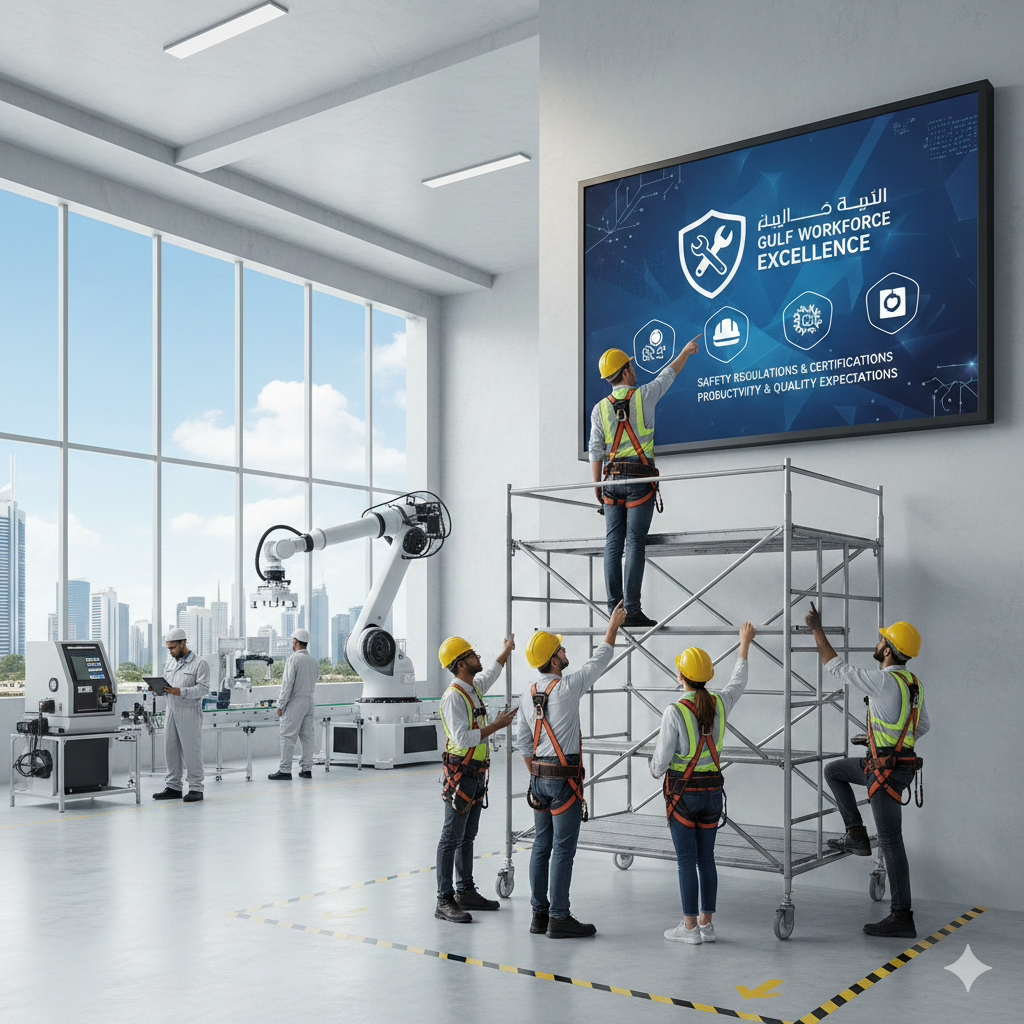
Safety Regulations and Certifications
Safety is a top priority on Gulf construction sites. Skilled manpower must understand and follow safety protocols, use personal protective equipment, and comply with site regulations. Workers with safety awareness reduce accidents and improve overall productivity.
Productivity and Quality Expectations
Leading Gulf companies expect high output without compromising quality. Skilled workers meet these expectations by working efficiently, following procedures, and minimizing errors.
Cultural Adaptability and Workforce Readiness
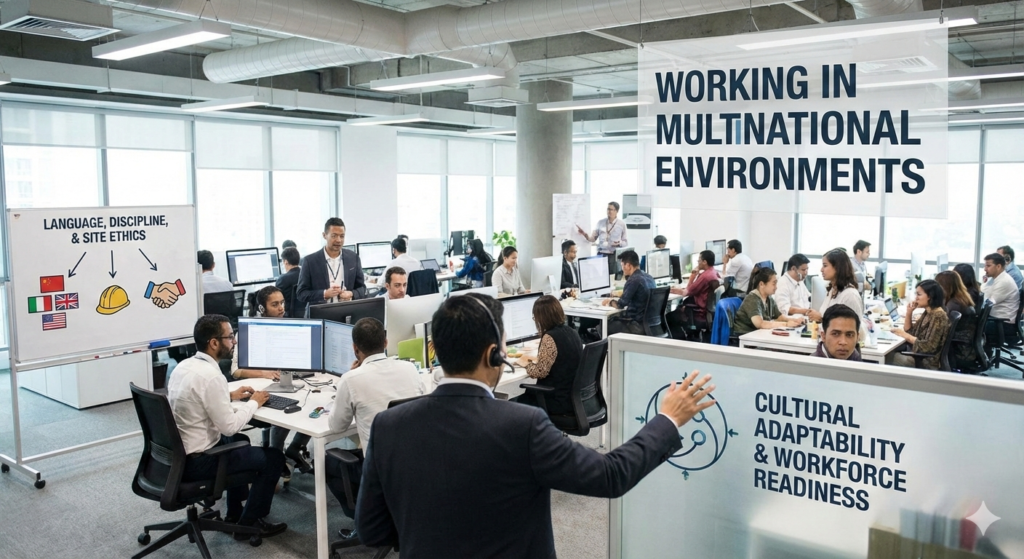
Working in Multinational Environments
Construction sites in the Gulf are melting pots of cultures. Skilled manpower must adapt to diverse teams, communicate effectively, and respect different work styles. This adaptability improves coordination and reduces conflicts.
Language, Discipline, and Site Ethics
Basic communication skills, discipline, and professionalism are as important as technical ability. Workers who understand site ethics and follow instructions contribute positively to project success.
Challenges in Supplying Skilled Construction Manpower
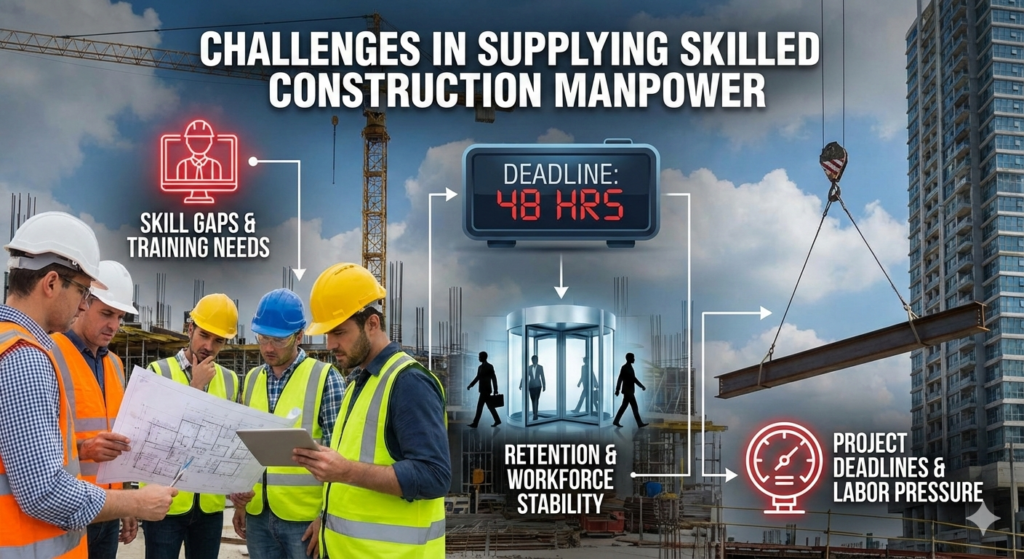
Skill Gaps and Training Needs
Not all workers arrive fully prepared. Continuous training is essential to bridge skill gaps and align workers with Gulf standards. Upskilling ensures long-term workforce reliability.
Retention and Workforce Stability
High turnover can disrupt projects. Retaining skilled manpower through proper planning and support is critical for maintaining momentum.
Project Deadlines and Labor Pressure
Tight deadlines put pressure on manpower resources. Skilled workers help absorb this pressure by working efficiently and reducing rework.
The Economic Impact of Skilled Manpower on Gulf Construction
Cost Efficiency and Project Timelines
Skilled manpower reduces waste, avoids mistakes, and speeds up execution. This directly impacts project budgets and timelines, making skilled workers a smart investment.
Long-Term Infrastructure Value
Well-built structures last longer and require less maintenance. Skilled construction manpower ensures durability, benefiting economies in the long run.
Technology and Modern Construction Practices

Digital Tools and Smart Construction
The Gulf is adopting digital construction tools, from BIM to automated equipment. Skilled manpower must be comfortable with technology to stay relevant.
The Need for Technically Trained Workers
As construction evolves, technical knowledge becomes essential. Workers who can adapt to new tools and methods are in high demand.
Workforce Planning for Large-Scale Gulf Projects
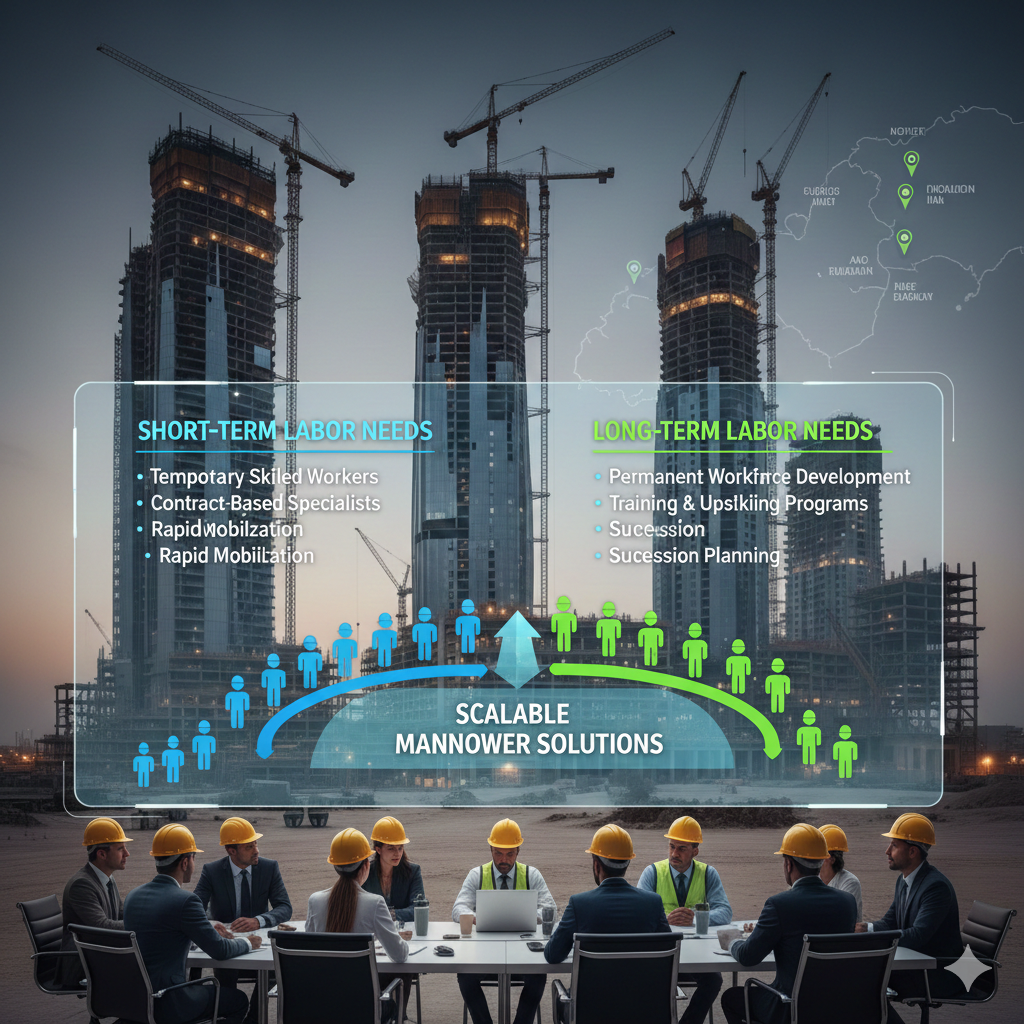
Short-Term vs Long-Term Labor Needs
Some projects need manpower quickly, while others require long-term planning. Flexible workforce strategies help companies stay prepared.
Scalable Manpower Solutions
The ability to scale manpower up or down ensures project continuity without unnecessary costs.
Sustainability and Green Construction Skills
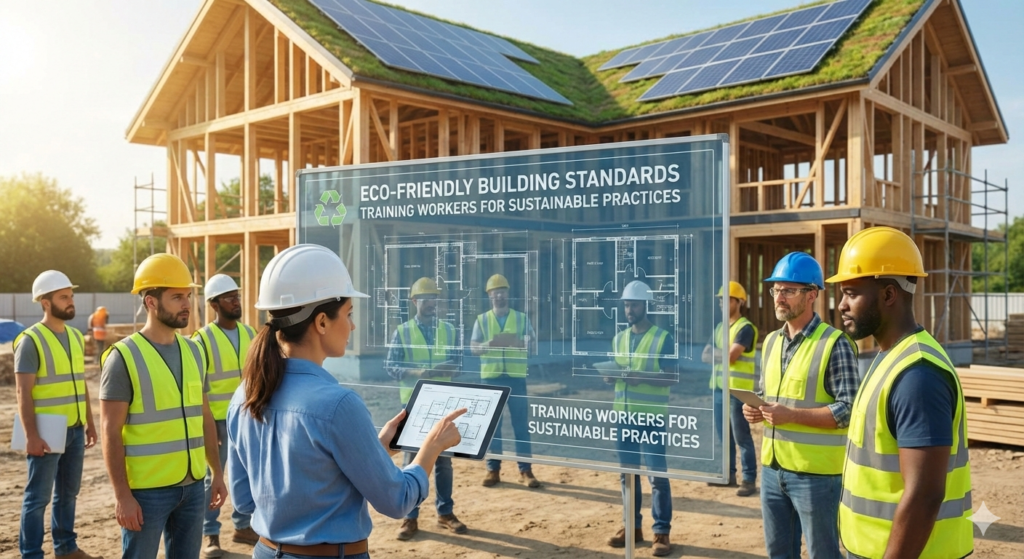
Eco-Friendly Building Standards
Green construction is gaining momentum in the Gulf. Skilled workers trained in sustainable practices support this shift.
Training Workers for Sustainable Practices
From waste management to energy-efficient installations, sustainability skills are becoming essential.
The Human Side of Construction Manpower
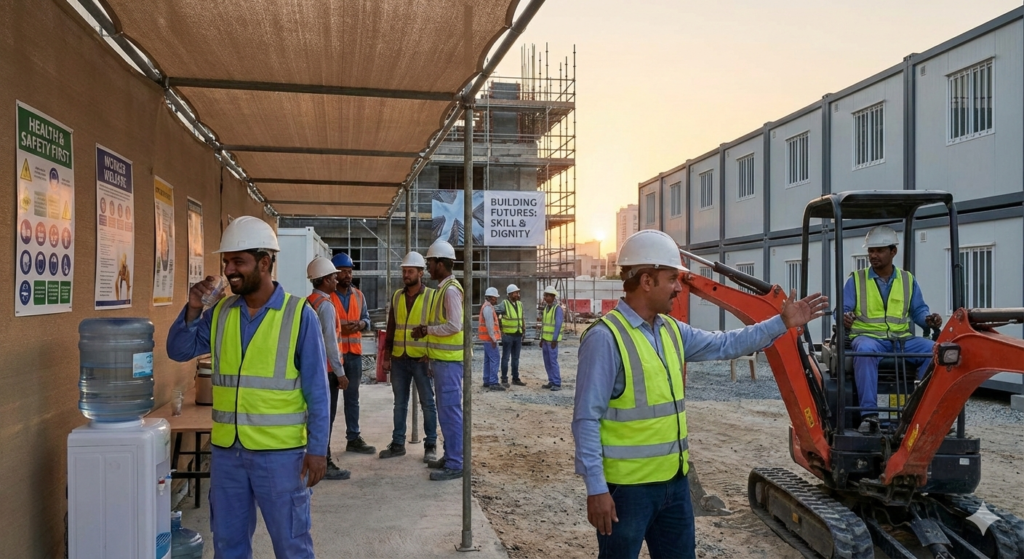
Worker Welfare and Living Conditions
Comfortable living conditions and fair treatment improve morale and productivity. Happy workers perform better—it’s that simple.
Motivation, Productivity, and Performance
Motivated skilled workers take pride in their work, directly impacting project quality.
The Future of Construction Manpower in the Gulf
Emerging Skills and Industry Shifts
Automation, prefabrication, and smart construction are shaping the future. Skilled manpower must evolve alongside these trends.
Adapting to Visionary National Plans
National visions across the Gulf focus on innovation and sustainability. Construction manpower will continue to play a central role in achieving these goals.
Building the Gulf Through Skilled Hands
Supplying skilled construction manpower to leading Gulf companies is more than a logistical necessity—it’s a strategic pillar of regional growth. From Saudi Arabia to Bahrain, skilled workers turn vision into reality, one project at a time. As construction methods evolve and expectations rise, the demand for capable, adaptable, and experienced manpower will only grow. The future of the Gulf is being built today, and skilled hands are shaping every inch of it.
FAQs
- Why is skilled construction manpower crucial in the Gulf?
Because large-scale projects require efficiency, quality, and speed that only skilled workers can deliver. - Which Gulf countries have the highest demand for construction workers?
Saudi Arabia, the UAE, and Qatar currently lead in demand, followed by Oman, Kuwait, and Bahrain. - What skills are most valued in Gulf construction projects?
Civil trades, MEP expertise, finishing skills, and heavy equipment operation are highly valued. - How does skilled manpower impact project costs?
Skilled workers reduce errors and delays, helping control costs and timelines. - Will demand for construction manpower continue in the Gulf?
Yes, ongoing development plans and infrastructure investments ensure long-term demand.
Leave a Reply